

Backflow Prevention Services by Licensed Plumbing Professionals
What is backflow prevention and why is it important?
Backflow prevention protects your drinking water from contamination caused by reversed water flow. When pressure changes occur in a plumbing system, contaminated water can flow back into clean water lines, creating serious health risks.
Bleiweis Plumbing & Heating provides professional backflow prevention services to keep residential and commercial water systems safe, compliant, and reliable.
What causes backflow in plumbing systems?
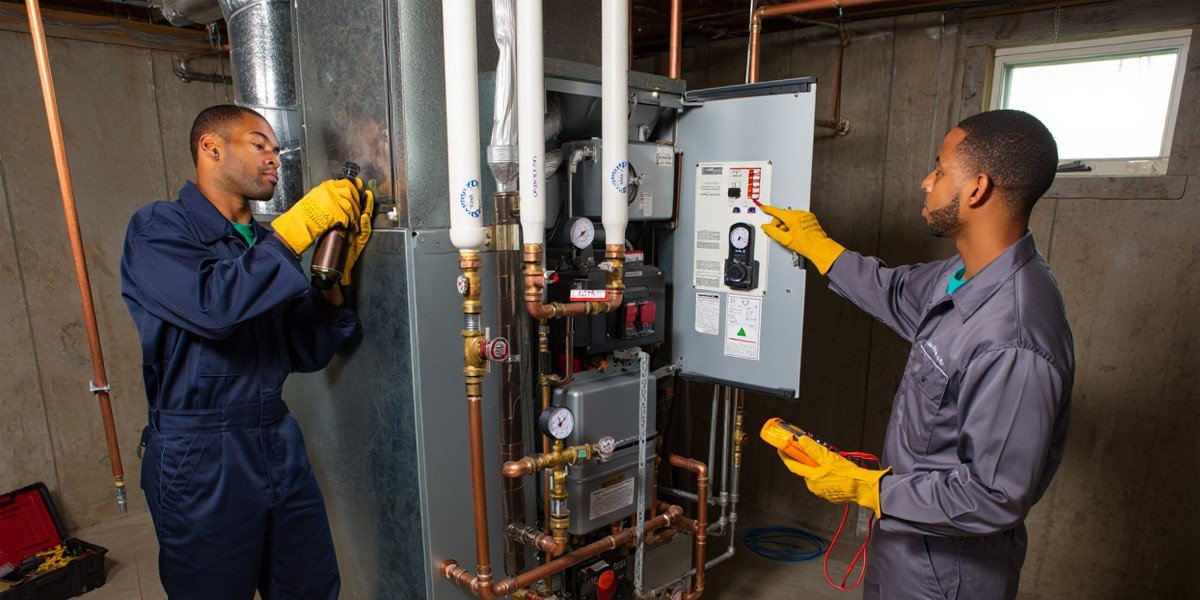
Backflow usually occurs due to pressure imbalances in a plumbing system. These pressure changes can happen during events such as water main breaks, heavy water usage, or fire hydrant operation.
Common causes of backflow include:
- Sudden drops in water pressure
- Cross-connections between potable and non-potable water
- Faulty or outdated plumbing systems
- Irrigation systems without proper protection
Without proper backflow prevention devices, contaminants can enter the clean water supply.
What is a backflow prevention device?
A backflow prevention device is a mechanical valve designed to stop contaminated water from flowing backward into the clean water supply. These devices are required in many plumbing systems to protect public health and meet local plumbing codes.
There are different types of backflow prevention devices, and each is designed for specific applications. Proper selection, installation, and maintenance are essential for effectiveness.
When do you need backflow prevention install service?
You may need a backflow prevention install service if you are building a new property, upgrading your plumbing system, or required to meet local regulations. Many municipalities require backflow prevention devices for irrigation systems, commercial properties, and multi-unit buildings.
Our licensed plumbers assess your system and install the appropriate device to ensure compliance and safety.
Our installation process includes:
- System evaluation and code compliance review
- Selection of the correct backflow prevention device
- Professional installation by licensed technicians
- System testing to ensure proper operation
- Documentation for regulatory compliance
Correct installation is critical. Improper setup can leave your water system unprotected or non-compliant.
Do backflow prevention devices require regular testing?
Yes. Most backflow prevention devices must be tested annually to confirm they are functioning properly. Testing ensures the valve is preventing reverse flow and protecting the water supply.
Bleiweis Plumbing & Heating offers professional backflow prevention testing service performed by trained technicians using approved testing equipment.
What backflow testing involves:
- Inspecting device condition
- Measuring pressure and valve response
- Identifying wear or failure
- Providing test results and documentation
Routine testing helps avoid violations, fines, and potential health hazards.
What happens if a backflow device fails testing?
If a backflow prevention device fails testing, repairs or replacement may be required. Failed devices can no longer reliably protect the water supply and must be addressed promptly.
Our team provides dependable backflow prevention repair service to restore system safety and compliance.
What does backflow prevention repair service include?
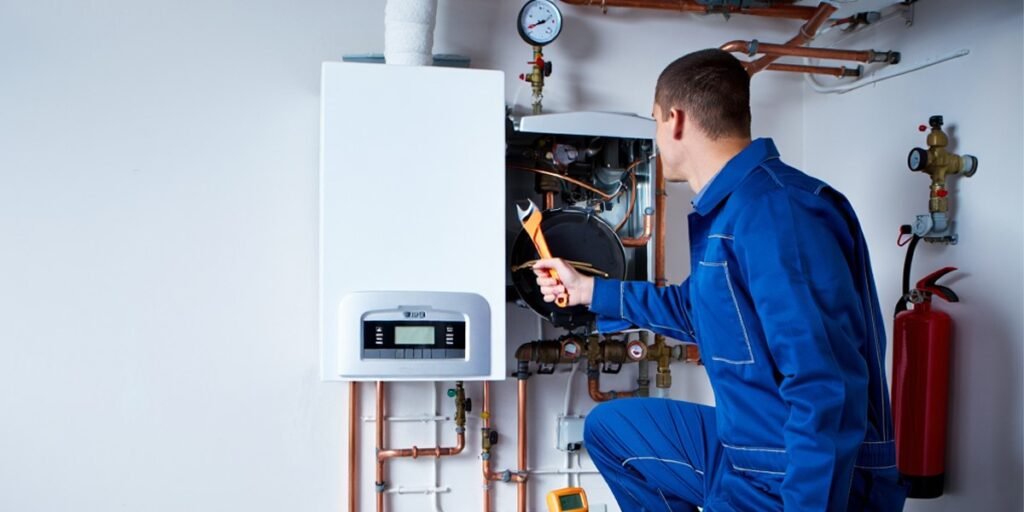
Backflow prevention repair service focuses on restoring the function of existing devices that are worn, damaged, or failing inspection.
Our repair services may include:
- Valve replacement
- Seal and spring repair
- Cleaning internal components
- Pressure adjustments
- Full device replacement if required
We explain repair options clearly so you can make informed decisions without unnecessary costs.
How often should backflow prevention devices be serviced?
Backflow prevention devices should be tested annually and inspected regularly, especially in high-use or commercial systems. Devices exposed to outdoor conditions or irrigation systems may require more frequent attention.
Preventive service helps:
- Maintain water safety
- Avoid emergency failures
- Extend device lifespan
- Ensure ongoing code compliance
Consistent service is the best way to avoid unexpected issues.
Who needs backflow prevention services?
Backflow prevention is essential for both residential and commercial properties.
Common systems requiring protection include:
- Irrigation and sprinkler systems
- Irrigation and sprinkler systems
- Multi-family residential buildings
- Fire suppression systems
- Industrial and medical facilities
If your property connects to a public water supply, backflow prevention may be required by law.
Why choose Bleiweis Plumbing & Heating for backflow prevention services?
Bleiweis Plumbing & Heating has provided trusted plumbing services since 1981. Our experience with complex plumbing systems ensures backflow prevention work is done correctly, safely, and in compliance with regulations.
Our commitment to safety and quality
We believe clean water protection is not optional. Every installation, repair, and test is performed with precision and accountability.
What sets our team apart:
- Licensed, insured, and bonded plumbers
- Deep knowledge of plumbing codes and regulations
- Accurate testing and documentation
- Honest recommendations and clear communication
- Long-term focus on system reliability
We treat water safety as a responsibility, not just a service.
How do I know if my property has a backflow issue?
Some backflow problems show no visible signs, which is why testing is essential. However, warning signs may include:
- Discolored or foul-smelling water
- Sudden changes in water pressure
- Failed inspection notices
- Old or untested devices
If you are unsure, professional testing is the safest next step.
How often should backflow prevention devices be serviced?
Backflow prevention devices should be tested annually and inspected regularly, especially in high-use or commercial systems. Devices exposed to outdoor conditions or irrigation systems may require more frequent attention.
Preventive service helps:
- Maintain water safety
- Avoid emergency failures
- Extend device lifespan
- Ensure ongoing code compliance
If you are unsure, professional testing is the safest next step.
What is the difference between installation, repair, and testing?
Each backflow prevention service serves a different purpose:
- Installation protects new or upgraded systems
- Testing verifies that devices are working correctly
- Repair restores function when devices fail or wear out
A complete backflow prevention program includes all three services.
Frequently Asked Questions
Is backflow prevention required by law?
In many areas, yes. Local plumbing codes require backflow prevention devices for irrigation systems, commercial properties, and certain residential connections to protect public drinking water.
How long do backflow prevention devices last?
With proper installation and regular maintenance, most backflow prevention devices last between 5 and 15 years, depending on water quality, usage frequency, and environmental exposure.
Can I test my own backflow device?
No. Backflow prevention testing must be completed by certified professionals using approved testing equipment to ensure accuracy, compliance with local codes, and proper documentation.
Does backflow testing disrupt water service?
Backflow testing is quick and typically causes minimal water interruption, usually lasting only a few minutes while pressure and valve performance are safely checked.
Schedule Professional Backflow Prevention Services Today
Protecting your water supply is essential. Whether you need a backflow prevention install service, backflow prevention repair service, or backflow prevention testing service, Bleiweis Plumbing & Heating delivers expert solutions you can trust.
Contact us today to schedule professional backflow prevention services and ensure your plumbing system remains safe and compliant.
