
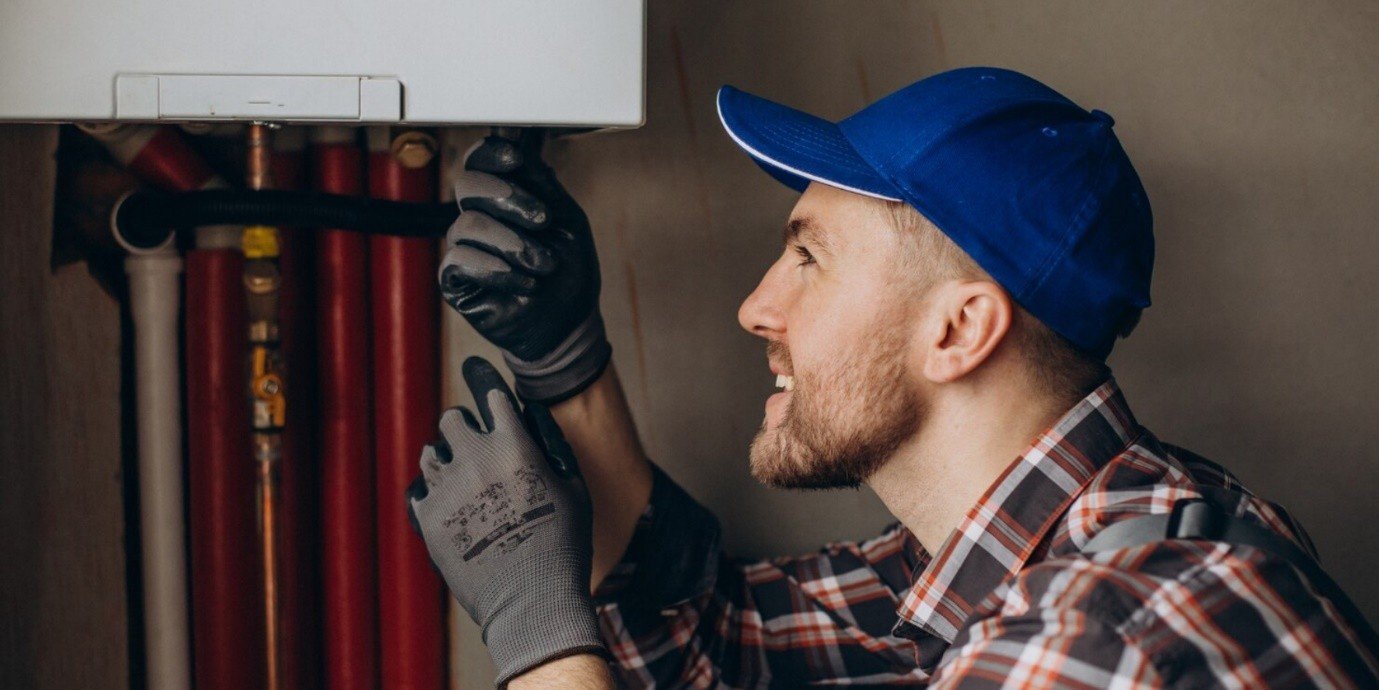
To choose the best heating system installer, you must evaluate their licensing, field experience, and mastery of regional building codes. Selecting expert boiler installation services ensures your equipment is sized accurately, operates at peak energy efficiency, and satisfies local safety standards, which prevents unexpected winter breakdowns and lowers monthly utility bills. A professional setup optimizes water flow or steam circulation through your building infrastructure, safeguarding your property against dangerous leaks or structural pressure drops. Relying on verified local professionals secures long-term indoor comfort and protects your manufacturer warranty investment.
Verify Licensing, Insurance, and Industry Credentials
Working with a certified mechanical contractor is non-negotiable when dealing with complex high-pressure natural gas or traditional steam configurations. Hiring uncertified labor risks severe safety hazards, property code violations, and denied insurance claims.
- Total Protection Against Accidental Liability
A professional heating technician must possess active liability insurance and worker’s compensation coverage. This baseline verification ensures you are never held financially responsible for accidental property damage or technician injuries during the installation project.
- Strict Compliance with Regional Building Standards
Experienced plumbing and heating teams know municipal permit structures and local building codes perfectly. This verified technical knowledge ensures your setup passes every state environmental or safety inspection effortlessly.
- Analyze Contractor Field Experience with Specialized Heating Systems
Residential and commercial heating frameworks vary drastically based on property size, architectural layout, and overall age. Your chosen team must demonstrate clear technical mastery over your specific system infrastructure.
Professional Management of Steam and Gas Systems
- Converting Old Heating Infrastructure Safely: Transitioning an outdated oil-burning furnace to a modern, high-efficiency natural gas unit demands precise plumbing calibration and strict safety protocols.
- Troubleshooting Historic Steam Infrastructure Issues: Managing single or two-pipe steam networks requires specialized calibration skills to prevent systemic pipe banging or heat distribution issues.
- Integrating Advanced Energy Efficient Technologies: Correctly calibrating modern tankless water heaters or modulating gas units requires certified technical factory knowledge to optimize daily performance.
Evaluate Communication, Written Estimates, and Project Transparency
Top-tier mechanical companies never rely on ambiguous verbal quotes or hide obscure environmental surcharges within their billing agreements. Clear, transparent documentation reflects professional operational standards.
- Itemized Calculations of Hardware and Labor Costs
A reputable installer provides a comprehensive, written breakdown of every required component, permit fee, and labor hour before the project starts. This prevents unexpected cost inflation when the final project invoice is delivered.
- Clear Explanations of Future Equipment Care
Great technicians take time to guide property owners through essential seasonal maintenance steps. Learning how to check pressure values or recognize early wear signals extends the operational life of your brand-new system.
Why Correct System Sizing is Essential for Efficiency
An incorrectly sized heating unit compromises indoor air comfort and creates severe component wear. Accurate capacity assessments prevent long-term utility waste.
- Severe Complications Caused by Oversized Units
Installing a unit with excessive heating capacity causes a destructive cycle known as short-cycling. The system turns on, heats up too quickly, and shuts down rapidly, placing immense mechanical stress on electronic controls.
- Structural Failures Caused by Undersized Units
An undersized unit runs continuously without ever reaching the temperature set on your thermostat. This constant workload causes premature component breakdown, drives energy utility consumption up, and leaves your rooms uncomfortably cold.
Trusting Over Forty Years of Local Heating Mastery
Managing complex industrial frameworks or delicate residential pipe networks demands a professional team with deep regional roots and verifiable field expertise. When regional property owners require dependable seasonal solutions, they turn to the fully licensed, insured, and bonded team at Bleiweis Plumbing & Heating.
We have proudly served communities across New Jersey since 1981, delivering exceptional workmanship across every single project. Whether your building requires a modern high-efficiency upgrade or urgent boiler repair in Bergen County NJ, our certified technicians manage gas and steam systems with absolute precision and honesty. We focus on delivering sustainable engineering quality, ensuring your property remains perfectly warm and safe throughout the coldest winter months.
Secure Your Home Comfort with Local Heating Experts
Balancing mechanical credentials, sizing requirements, and budget constraints does not have to be a stressful or overwhelming process for your family. By focusing on contractor experience and prioritizing written operational transparency, you can easily select a partner who will protect your real estate value and keep your household perfectly warm.
When you are ready for professional guidance, our team at Bleiweis Plumbing & Heating is available around the clock to assist you. We deliver clear communication, honest pricing, and elite workmanship from start to finish. Call us today at 908-686-7415 to speak with a technician or to schedule a comprehensive property safety inspection. You can also email us your project details at bleiweisplumbing@gmail.com or fill out our online request form to receive your quote directly through our website.
Frequently Asked Questions
- How do I check if a heating contractor is properly licensed?
You can verify active credentials directly through state licensing boards or consumer databases to confirm the business maintains correct insurance coverage.
- What is the average lifespan of a residential heating system?
A properly maintained boiler framework lasts between 15 and 20 years before natural mechanical wear or internal line scaling reduces efficiency.
- What is the typical timeframe for a complete system upgrade?
A professional heating system replacement takes one to two days depending on the structural layout and existing pipe conditions.
- Can a plumbing technician convert an old oil furnace to gas?
Yes, experienced specialists can convert an older oil-burning setup into a highly efficient, clean-burning natural gas configuration safely.
- Why does a newly installed heating unit shut off frequently?
Frequent cycling usually points to an oversized heating unit configuration or a miscalibrated thermostat sending incorrect signals to the core computer.
- How often should a building boiler undergo professional inspections?
You should schedule comprehensive professional service once a year, ideally during the autumn, to ensure safe combustion performance.