
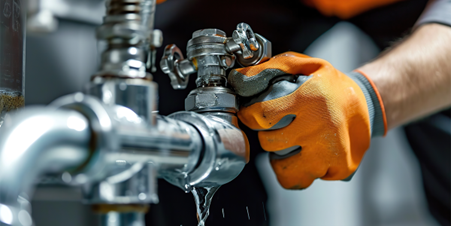
A plumbing emergency happens when water damage, leaks, or system failures put your home at risk and require immediate action. Knowing what to do in those first few minutes can prevent costly damage and protect your home’s structure. If you ever need an emergency plumbing service in Essex, the right steps early on can make a major difference in reducing water loss, mold risk, and repair costs. A plumbing emergency may include burst pipes, overflowing toilets, sewer backups, or sudden loss of water supply. Acting quickly helps you stay in control until professional help arrives.
Understanding Plumbing Emergencies and Why Fast Action Matters
A plumbing emergency is any situation where water is escaping uncontrollably or your plumbing system stops working properly. It becomes urgent when it threatens your home’s safety or daily function.
This matters because water damage spreads fast. Within minutes, water can soak flooring, damage drywall, and reach electrical systems. Delayed action often leads to higher repair costs and long-term structural issues.
Understanding the severity of the situation helps you respond calmly instead of panicking, which is important for protecting your home.
First Steps to Take When a Plumbing Emergency Happens
When a plumbing emergency begins, the first few actions should focus on stopping water flow and limiting damage. Many homeowners overlook simple steps that can significantly reduce repair costs.
The first step is always to locate your main water shut-off valve and turn off the water supply. This immediately stops more water from entering the system. After that, electrical appliances near water should be turned off if it is safe to do so.
Next, try to identify the source of the issue. Whether it is a leaking pipe, overflowing toilet, or burst fitting, knowing the source helps you explain the problem clearly when professional help arrives.
How to Reduce Water Damage Before Help Arrives
Once the water is under control, the focus should shift to reducing damage inside your home. Water spreads quickly, so even small actions can help protect your space.
Protecting Your Home from Further Damage
Move furniture, rugs, and electronics away from affected areas. Use towels or buckets to contain water where possible. If water has reached flooring, try to dry it as quickly as possible to reduce long-term damage.
Ventilation also helps. Opening windows or using fans can slow down moisture buildup and reduce the risk of mold growth. These steps are temporary, but they help protect your home until professional repair is completed.
Common Causes of Sudden Plumbing Emergencies
Plumbing emergencies often happen without warning, but most have underlying causes that build up over time.
One common cause is pipe corrosion, which weakens pipes until they eventually leak or burst. Another frequent issue is freezing temperatures, which cause water inside pipes to expand and crack the pipe walls.
Clogged drains and sewer line blockages can also create sudden backups inside the home. In older plumbing systems, worn-out seals and fittings are another major reason for unexpected failures. Understanding these causes helps homeowners recognize early warning signs before emergencies happen.
When You Should Call a Professional Plumber Immediately
Not every plumbing issue is an emergency, but certain situations require immediate professional attention.
If water is flooding your home, a pipe has burst, or sewage is backing up, it is important to act right away. These problems can quickly affect your home’s safety and hygiene.
Even smaller leaks that cannot be stopped should be treated seriously because they often get worse over time. In these situations, many homeowners search for emergency plumbing service in Somerset County, NJ to get fast, reliable help.
Simple Actions to Stay Safe During a Plumbing Emergency
During a plumbing emergency, safety should always come first. Water and electricity are a dangerous combination, so caution is important.
- Always turn off power in affected areas if water is near electrical outlets or appliances
- Avoid using plumbing fixtures until the issue is identified
- Keep children and pets away from flooded or damaged areas
- Do not attempt major pipe repairs without proper tools or experience
- Document visible damage for insurance purposes if needed
These steps help you stay safe while preventing the situation from getting worse.
How Professional Plumbing Support Helps in Emergencies
Emergency plumbing services are designed to respond quickly and fix urgent problems before they cause long-term damage. Professional plumbers bring the right tools, experience, and safety knowledge to handle complex issues.
They can quickly locate hidden leaks, repair burst pipes, clear blockages, and restore water flow safely. In many cases, professional repair also helps prevent future emergencies by identifying weak points in the plumbing system. Fast response is especially important because even a short delay can increase water damage significantly.
Fast, Reliable Help When You Need It Most
Plumbing emergencies can be stressful, but quick action makes a big difference. At Bleiweis Plumbing and Heating, we understand how urgent these situations are and respond with dependable service backed by decades of experience. We have been serving homeowners since 1981, helping protect homes from water damage, leaks, and system failures.
When unexpected plumbing problems happen, our team focuses on fast diagnosis, safe repairs, and restoring your home’s comfort as quickly as possible. We are here to help you handle emergencies with confidence and care whenever you need us.
Frequently Asked Questions
- What should I do first during a plumbing emergency?
The first step is to turn off your main water supply to stop further flooding. After that, check for visible leaks and remove valuable items from the affected area. This helps reduce damage while you wait for professional plumbing assistance.
- How do I know if I need emergency plumbing help?
You likely need emergency help if there is flooding, a burst pipe, sewage backup, or no water supply. Any issue that threatens your home’s safety or causes rapid damage should be treated as an emergency situation.
- Can I fix a burst pipe myself?
Temporary steps like shutting off water and containing leaks are safe, but full pipe repairs should be handled by a professional. Improper repair can worsen the damage or create hidden leaks inside walls.
- Why do plumbing emergencies happen suddenly?
Many emergencies result from hidden issues like pipe corrosion, freezing temperatures, or long-term clogs. These problems build up over time and eventually cause sudden failure in the plumbing system.
- How can I reduce water damage during an emergency?
Move belongings away from water, use towels or buckets to control flow, and improve ventilation by opening windows. These steps help slow down damage until a plumber arrives.
- Is a small leak considered an emergency?
A small leak may not seem urgent, but it can quickly become worse. If it cannot be stopped or is near electrical systems, it should be treated as an emergency.
- How fast should I call a plumber during flooding?
You should call a plumber immediately. Flooding spreads quickly and can damage flooring, walls, and electrical systems within minutes if not controlled.