
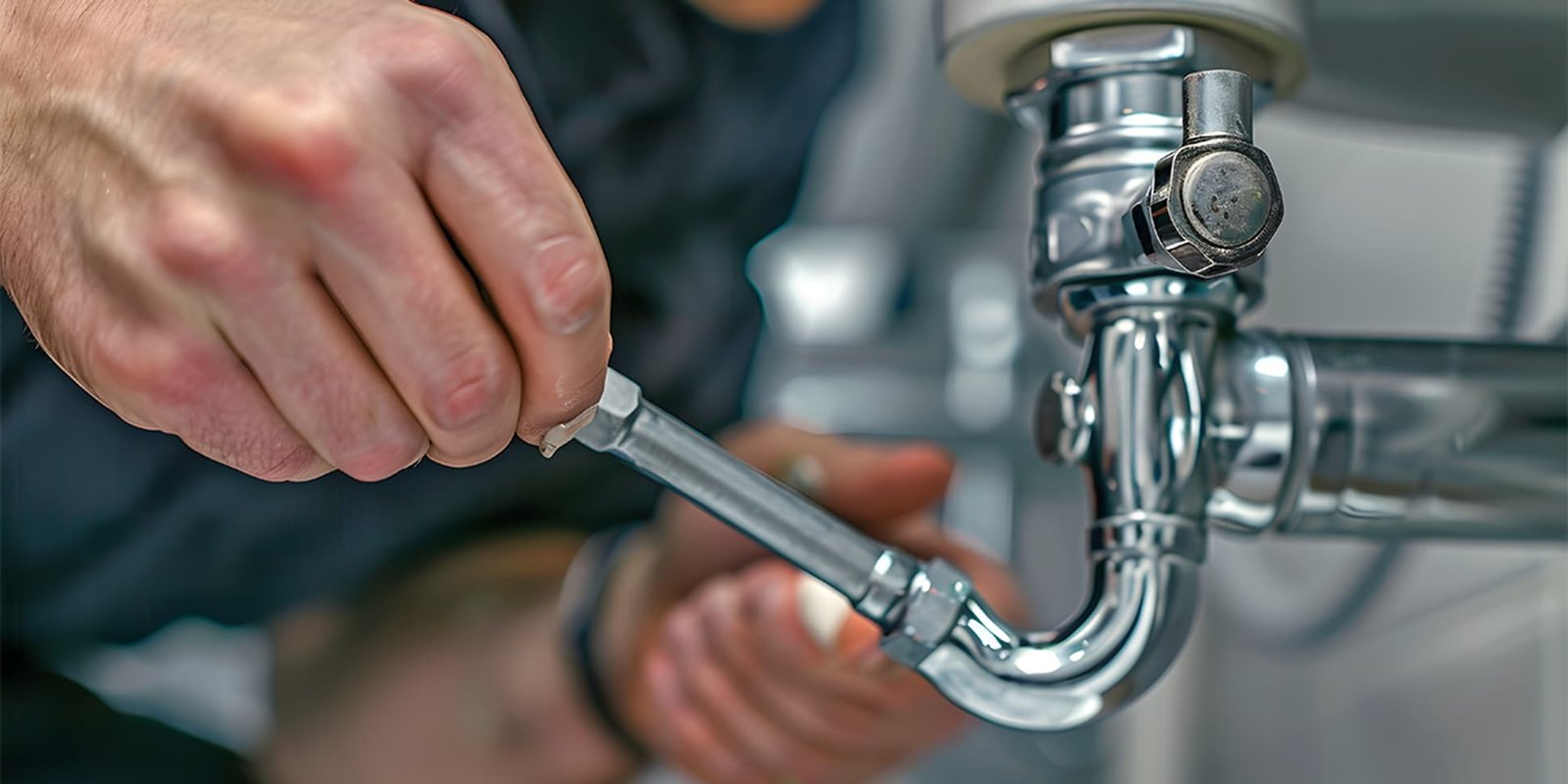
When a pipe cracks, a ceiling drips, or your toilet overflows, panic sets in quickly. Your immediate instinct is to find an emergency plumbing service in Essex to stop the water from destroying your home. Before you pick up the phone, taking four quick diagnostic steps can save you time, lower your repair costs, and help us resolve your issue much faster. Checking the scope of the leak, verifying your main valve status, testing adjacent fixtures, and inspecting your water heater helps determine if you face a catastrophic emergency or a simple isolation fix.
- Isolate the True Source of the Leak
Before calling us out, check whether the water issue is localised or widespread. Look under the affected sink or behind the toilet for the dedicated fixture shut-off valve. Turning this small handle clockwise stops water flow to that single appliance. If shutting off this valve stops the active leaking, your immediate household crisis is contained. You can comfortably wait for a standard scheduled appointment rather than paying premium emergency rates.
- Locate and Verify Your Main Water Shut-Off Valve
If water is spraying heavily from a wall or ceiling, you must bypass individual fixtures and head straight to your main water shut-off valve. This valve is typically located in your basement, crawlspace, or near your water meter close to the street boundary. Ensure the area around this valve stays clear of storage boxes so you can access it instantly during a crisis. Knowing how to turn this valve off protects your carpets, drywall, and structural framing from catastrophic ruin while our truck is en route.
- Test Adjacent Household Fixtures for Systemic Blockages
When a single drain backs up, check the other sinks, showers, and toilets on the same floor. If only one kitchen sink holds water, you likely have a localized clog that can wait for normal business hours. However, if running your washing machine causes wastewater to bubble up into your bathroom shower floor, your property is suffering from a main sewer line blockage. A main line backup introduces biohazards into your living space and requires immediate expert intervention.
- Check Your Water Heater and Utility Connections
If your issue involves a sudden loss of hot water or pooling liquid around your utility closet, examine the base of your water heater. Look closely to see if the water is dripping from a loose pipe connection, the temperature-pressure relief valve, or the bottom of the steel tank itself. If the tank structure itself is rusting and fractured, the unit must be shut off and drained. For gas units, check if the pilot light went out, as a simple breeze can sometimes extinguish the flame and mimic a broken system.
Why Choose Bleiweis Plumbing & Heating
- Over 40 Years of Local Legacy: We have proudly served New Jersey homeowners and commercial properties since 1981, building a trusted reputation on honest service and durable, long-term plumbing solutions.
- Fully Licensed, Insured, and Bonded: Every technician on our team holds full professional credentials, protecting your property and providing complete peace of mind during complex installations or urgent repairs.
- True 24/7 Availability: Plumbing crises do not follow a standard schedule, which is why our emergency response team operates around the clock, seven days a week, to handle burst pipes and heating failures.
- Upfront Pricing and Clear Communication: We believe in absolute transparency, providing clear explanations of your system issues and detailed project estimates before any work begins on your home.
Contact Our Emergency Response Team Now
If you are facing a severe pipe burst, a failing water heater, or a sewer backup right now, do not wait for the structural damage to worsen. Contact Bleiweis Plumbing & Heating at 908-686-7415 for immediate assistance. Our certified, experienced technicians are standing by 24 hours a day, 7 days a week, to restore order, safety, and comfort to your New Jersey property.
Frequently Asked Questions
- What should I do first during a plumbing emergency?
Immediately locate and turn off your main water shut-off valve to stop active flooding. Once the water stream stops, call our team to dispatch a licensed technician to your home.
- How do I know if a plumbing leak is a true emergency?
True emergencies involve uncontainable water flow threatening structural damage, total loss of heat in winter, or sewer backflows. Localized sink clogs or minor faucet drips can usually wait for normal hours.
- Can a homeowner fix a main sewer line backup?
No, main sewer line blockages require heavy-duty motorized augers or hydro-jetting equipment to clear safely. Attempting to clear a main sewer line with chemical drain cleaners can permanently corrode your pipes.
- Why is my water heater leaking from the bottom?
A leak from the bottom of the tank usually means the inner steel lining has corroded over time. This issue cannot be patched and requires a complete replacement of the water heater unit.
- How can I prevent my plumbing pipes from bursting in the winter?
Keep your home thermostat set to at least 55 degrees Fahrenheit, open cabinet doors to expose pipes to warm air, and let distant faucets drip slowly during extreme freezes.
- Do you provide emergency plumbing service in Bergen County?
Yes, our fully equipped trucks provide rapid, round-the-clock emergency plumbing service in Bergen County alongside our core service areas to keep your residential or commercial property safe.